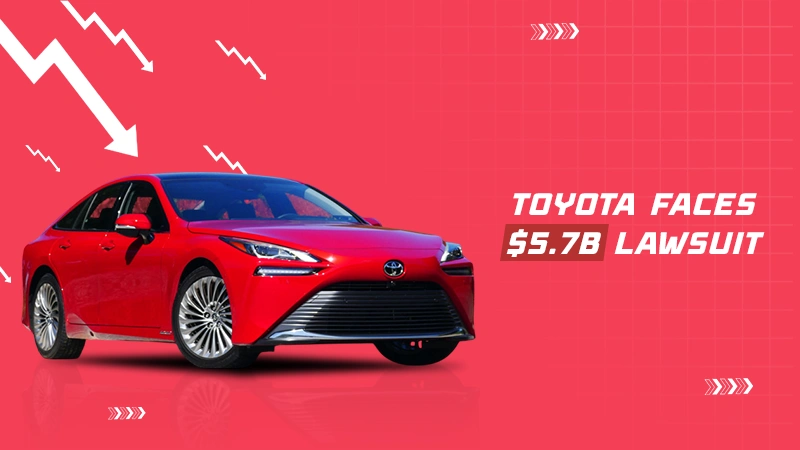
Under great legal pressure is Toyota Motor Corporation, a car behemoth, as a suggested class-action suit requests about US $5.7 billion in compensation in connection with Toyota’s Mirai, its hydrogen-fuel-cell sedan. California Mirai owners, the plaintiffs, claim the manufacturer and its subsidiaries downplayed dependability issues and overstated the car’s fuelling system.
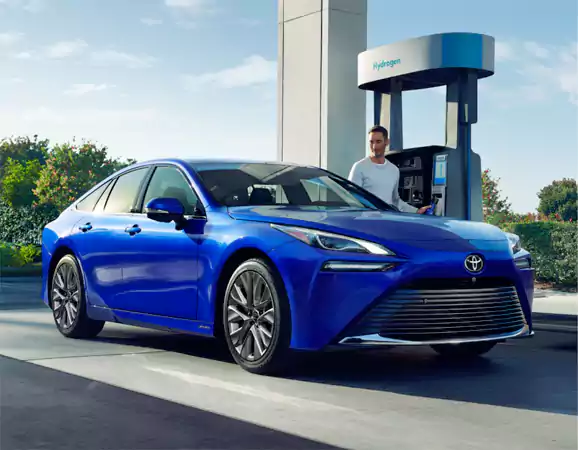
The core of the complaint is the allegation that buyers and lessees were encouraged to think hydrogen fuel stations would always be available and safe over the long term, an expectation the plaintiffs claim has not been satisfied. The legal action says the class includes those who bought or leased Toyota’s Mirai vehicles between model years 2016 and 2025, within four years of the complaint’s filing.
The suit claims Toyota neglected to reveal what it knew regarding both supply-infrastructure deficits and mechanical problems claimed by owners. Among the complaints highlighted are restricted and down-but stations, which cause issues obtaining hydrogen fuel, as well as events of power loss or sluggish reaction in propulsion systems. Other complaints include claims of brake-accelerator confusion, causing safety concerns.
Toyota Motor Corporation has defended the Mirai as fulfilling all relevant safety and performance criteria in response to the charges and denied the systematic nature of the problems brought up. Still to formally define a settlement plan or address the possible financial consequences of the case, the firm. This legal move’s timing fits with more general examination of hydrogen-fuel-cell cars, whose mass-market introduction is limited by infrastructural and economic difficulties.
READ ALSO: Toyota Crown Signia 2025: Full Review, Specs, Features & Pricing
Toyota’s wager on hydrogen for particular mobility uses is becoming more questionable as more traditional battery-electric cars rule the news. Should it succeed, the US$5.7 billion claim would be among the biggest of its kind against a major car manufacturer in the growing green-vehicle market. Observers note that the result might affect how much weight regulators give to infrastructure-backing pledges and how automakers promote alternative-fuel vehicles.