
Painting your car not only gives it a fresh appearance but also protects it from possible damage and rust. However, now the question arises: How much does it cost to paint a car, as the average cost depends on several factors, including the type of paint, car size, customer service, etc.?
Although the cost of paint and materials has been increasing, it is also important to note that a local shop charges less than a showroom for painting your car. So here’s a comprehensive guide to help you understand how much to paint a car and why it is important to do so.
- How Much Does it Cost to Paint a Car?
- Why is it Important to Repaint Your Car?
- What is the Average Cost to Paint a Car?
- What are the Factors that Determine the Average Cost to Paint a Car?
- How Much Time Does it Take to Paint a Car?
- When is the Right Time to Paint a Car?
- Comparison Between Professional and DIY Paint
- Final Thoughts
- Frequently Asked Questions
How Much Does it Cost to Paint a Car?
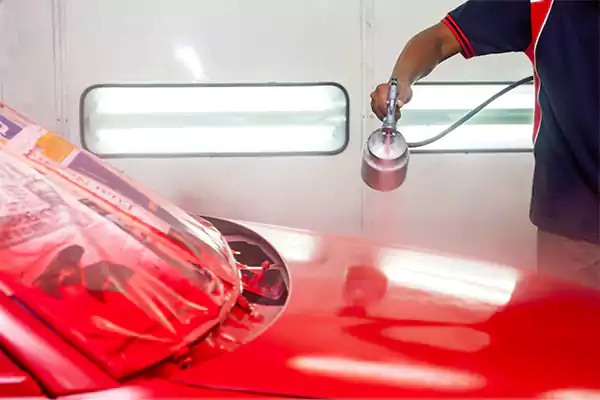
The average cost of painting a car can range from as low as $500 to as high as $10,000. This sharp difference in the lowest and the highest prices is due to the quality of the paint, as low-quality paints have a shorter lifespan than high-quality paints.
Furthermore, if you want any custom designs or variations, such as changing the color of your car, it will cost you relatively more than the basic repainting, going up to $20,000.
Therefore, it is advised to reconfirm how much does it cost to paint a car from a few shops or showrooms, as many of them quote prices higher than the actual price for low-quality work.
Also Read: 40+ Ugliest Cars of All Time That Your Eyes Would Feel Sick Once Looked At!
Why is it Important to Repaint Your Car?
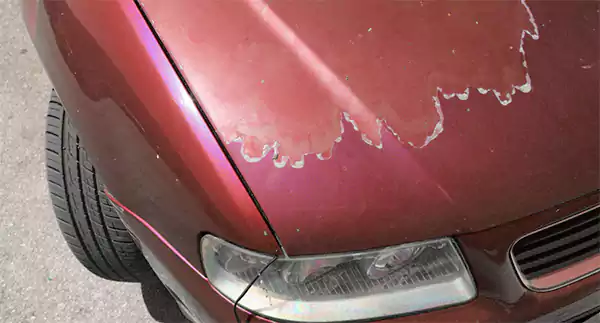
Apart from how much to paint a car, many people also wonder why it is important to do so. Repainting your car is important for several reasons, including enhanced visual appeal, rust prevention, higher market value, and protection from the environment.
- Visual appearance: Repainting your car will give it a new look and restore its lost charm. Moreover, repainting hides scratches and dents on the body of your vehicle.
- Rust prevention: When the layer of paint is removed from your car, it becomes more prone to moisture present in the atmosphere, causing the formation of rust. This can be prevented by repainting your car and giving it a fresh appearance.
- Higher market value: If you are planning to sell your car in the near future, getting it repainted can significantly increase its market value, as buyers will prefer an aesthetically charming car.
- Protection: Repainting also protects your car from various environmental components, including ultraviolet rays of the sun, acid rain, and dust and rock particles on the road. Additionally, applying car waxes above the paint provides an extra layer of protection.
Also Read: 10 Best Car Air Fresheners of 2025: Top Picks for a Fresh Ride
What is the Average Cost to Paint a Car?
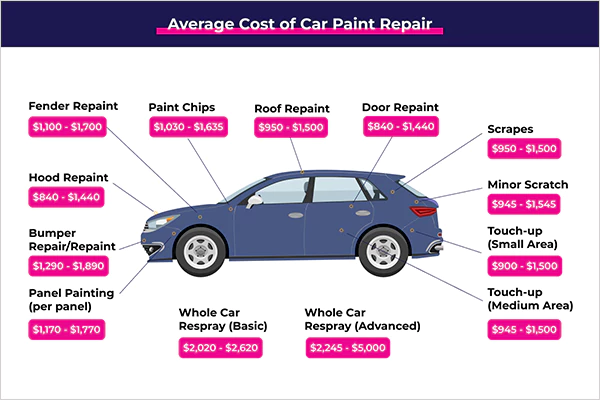
The average cost to paint a car varies with the types of paint and the nature of the job. High-end jobs use fine quality paint and charge more than basic paint jobs due to its exclusive nature of the work.
| Car Part | Estimated Price |
| Hood Panel | $350-$500 |
| Roof | $350-$500 |
| Bumper | $250-$400 |
| Door | $250-$400 |
| Trunk | $250-$400 |
| Full Car | $500-$10,000+ |
- Basic paint jobs: These are perfect for people looking for budget-friendly options to paint their car. In these jobs, acrylic and single-layer enamel paints are used, and the entire process costs around $1,000.
- Mid-level paint jobs: They include multiple coats of enamel paint and extensive preparation. Ranging between $1,000 and $5,000, mid-level paint jobs are perfect for family cars and provide persistent results.
- High-level paint jobs: These are the premium paint jobs, which cost between $5,000 and $20,000. With top-notch metallic paints such as urethane, high-level paint jobs involve rigorous preparation and provide custom design features.
Also Read: How Many Volts is a Car Battery? Complete Guide with Everything Explained
What are the Factors that Determine the Average Cost to Paint a Car?
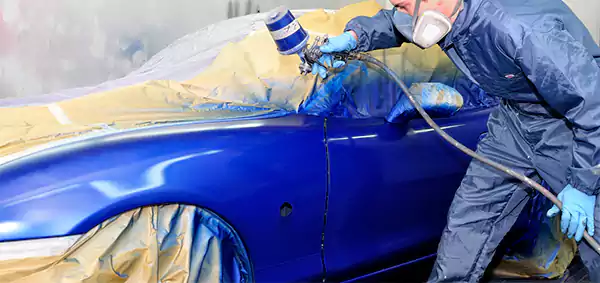
Vehicle size, quality of paint, type of shop, preparation needs, and custom services are the factors that influence the average cost to paint a car.
- Size: Car size is an important element in the cost of car painting, as painting larger cars is more expensive than painting smaller cars. Big cars, such as SUVs, require more paint and labor than smaller cars, such as a hatchback.
- Quality of paint: Quality and type of paint also impact the total cost, as high-quality paints such as urethane and metallic finishes are more expensive than paints such as synthetic enamel paint and solid color finishes.
- Shop Reputation: High-end showrooms charge more than local shops, as they have advanced equipment for painting your car. Furthermore, the work of these showrooms comes with a warranty and longer durability.
- Preparation needs: Preparation work is often ignored in local shops, but not in high-end showrooms, as it is of great importance in the effective painting process. This involves sanding and removing the old paint, covering the windows, and disassembling all the parts of the car for further finishing.
- Custom services: Opting for custom services such as a sparkle effect or a stripes design for the car paint can increase the amount. Additionally, ceramic and clear coats cost more than the solid colors.
Note
The cost of painting luxury cars is more than that of a sedan or SUV, ranging from $5000 to $20000.
Also Read: How Much Does Wheel Bearing Replacement Cost in 2025?
How Much Time Does it Take to Paint a Car?
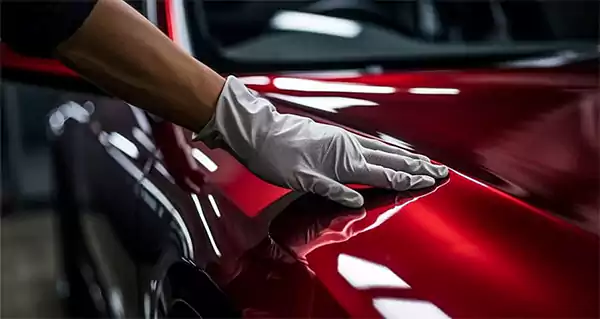
Along with how much to repaint a car, the time taken to paint a car also depends primarily on the type of car paint job. Other factors, such as car size and model, and availability of labor, also play an important role.
While the basic paint job takes up to 2 days, the premium paint jobs often take up to two weeks to complete. However, painting a specific car part and doing regular touch-ups can be completed within a few hours. Additionally, custom designs, such as sparkle effects or stripes, can take up to several weeks to be completed.
Therefore, it is important to carefully decide the day of sending your car for repainting, as it will be in the shop for several days or even weeks.
Also Read: How Long Does It Take to Charge a Tesla? Complete Guide (2025)
When is the Right Time to Paint a Car?
A car gives various signs when it requires a repaint, including peeling of the existing paint, dents, and rust spots on the body. Additionally, it is important to consider the weather conditions and climate changes before deciding to repaint your car.
- Less humidity: Higher humidity can lead to corrosion and cause the paint to dry slowly, leaving behind an unfinished look. Hence, humidity between 40% and 50% is advisable for car painting.
- Sunlight: Sunlight causes the paint to dry quickly, which further leads to cracking of the paint. Therefore, it is advisable to paint your car in the cooler times of the day.
- Spring & Fall: March to May and September to November are considered the best times for car painting, as the temperature is moderate with no weather disturbances such as snow, and the humidity levels are lower.
Also Read: How Much Does a Tesla Battery Replacement Cost? Updated Prices
Comparison Between Professional and DIY Paint
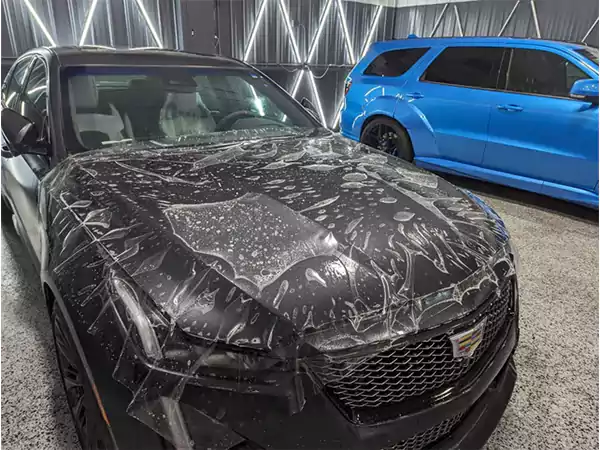
Nowadays, many people opt for do-it-yourself (DIY) painting to reduce their expenses. However, the expenses incurred on buying all the necessary equipment, such as an HVLP spray gun, an air compressor, automotive paint, a spray booth, and safety gear, can be equal to a professional painting job.
| Parameter | Professional Paint | DIY Paint |
| Cost | The total cost of a professional paint job can range from $500 to $20000, generally higher than DIY paint. | The total cost of DIY paint is lower than professional paint; however, equipment expenses can subsequently increase the cost to $2,500–$4,000. |
| Paint Finish | Professional paint jobs result in better finishes and enhanced visual appearance. | The paint finish might not be consistent and may be inferior to professional paint jobs. |
| Equipments | High-end showrooms and shops have a supply of equipment, including spray booths, automotive paints, and safety gear. | In DIY paint jobs, you need to buy all the equipment and learn to use it. |
| Time | The average time taken by professional paint jobs is relatively less than DIY jobs, as experienced workers are involved in the job. | DIY paint jobs are time-consuming due to inexperience and the complexity of using various equipment. |
| Mistakes | Professional paint jobs involve fewer mistakes, as everything is handled by experts. | There is more room for mistakes, such as bad finishing, overcoating, and inappropriate use of equipment. |
Also Read: 2025 Ford Expedition: Full Specs, Features, Trims & Pricing Guide
Final Thoughts
While “How much does it cost to paint a car?” depends on various factors such as car size, paint type, and shop reputation, it is also essential to understand the importance of maintaining the vehicle after a fresh coat.
Additionally, how much is it to paint a car also varies depending on the type of car. The cost of repainting a luxury car is more than the cost of repainting an SUV or a sedan (about $3000).
Furthermore, choosing the right weather and season for repainting a car can increase the lifespan of the paint and prevent issues such as paint cracking and slow drying.
Frequently Asked Questions
1. Is it worth repainting a car?
Ans: Yes, repainting a car is worth it, as it gives a fresh appearance to your car and hides old scratches and dents.
2. How much paint is required to repaint a car?
Ans: The paint required to repaint a car varies depending on the car size.
- Medium-sized car/Sedan: 4 liters of base coat and 1 gallon of clear coat.
- Small Car: Approximately 3 liters of paint.
- Large Car/SUV: 3 to 4 liters of base coat and around 1 gallon of clear coat.
3. Can I paint my own car?
Ans: Yes, you can paint your own car, but the process might be time-consuming, and the results might be less satisfying than getting a professional paint job.
4. Is it safe to paint my car?
Ans: As the automotive paint contains chemicals, do-it-yourself (DIY) projects are not suggested. Still, if it’s important to do so, you should be extremely careful.
5. Is it better to spray or brush car paint?
Ans: While spraying is better when you are painting a larger area, brush paint is more practical for painting small areas. Additionally, spraying provides a smooth appearance and is less time-consuming than brush painting.
