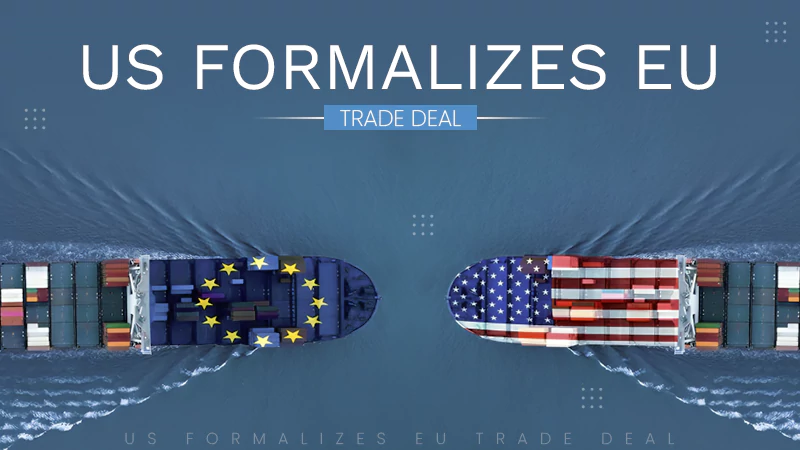
Formally lowering tariffs on European Union-imported automobiles and components in a significant trade policy change, the United States has From August 1 effective retroactively, 25% to 15%. The move clarifies a sector long under tariff uncertainty and reinforces a framework agreement struck earlier this summer.
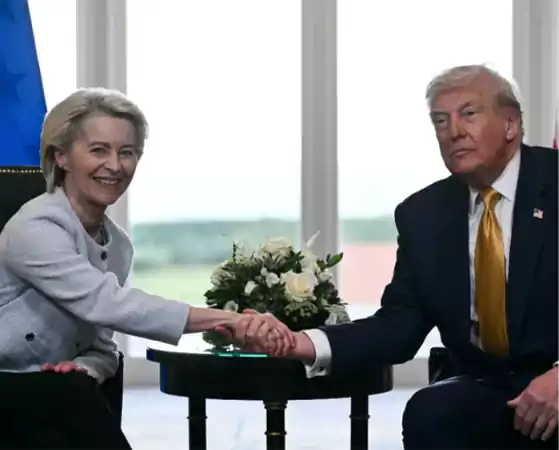
Published an adjusted tariff schedule by the U.S. Commerce Department and the Office of the U.S. Trade Representative validates the lower rate, which was expected but had little institutional support till now. The ruling also features a deliberately compiled list of exceptions, encompassing vital products including generic pharmaceuticals, aircraft and parts, rare earth metals, and some mechanical and electronic components.
Relievedly, European carmakers reacted. Following the announcement, stocks of notable firms, including Volkswagen, BMW, Mercedes-Benz, and Porsche, all saw gains. The German car manufacturers’ association (VDA) embraced the reduction but cautioned that the changed rate still presents problems. Officials from VDA urged the EU to keep fighting for more tariff reductions and more general trade changes.
Starting in August, Brussels-based EU trade experts believe the reduction might save European car manufacturers between €500 million and €600 million per month. That figure highlights the heavy burden the sector had carried from the previous 25% rate, which sometimes made sourcing, pricing, and supply chain choices challenging. Still, the 15% rate is not a total return to the pre-tariff period. It still exceeds what existed before the Trump administration’s previous tariff increases, critics note.
And some industry observers caution that there is still some residual friction, especially for automakers whose supply chains span several nations or territories. Expectations are set on both sides in the trade pact, allowing the change to take place. For its part, the EU has to deliver on promises to lower duties on American imports in industries like seafood, agriculture, and industrial goods. The U.S., therefore, maintains its doubled taxes on aluminium and steel, which the most recent agreement did not address.