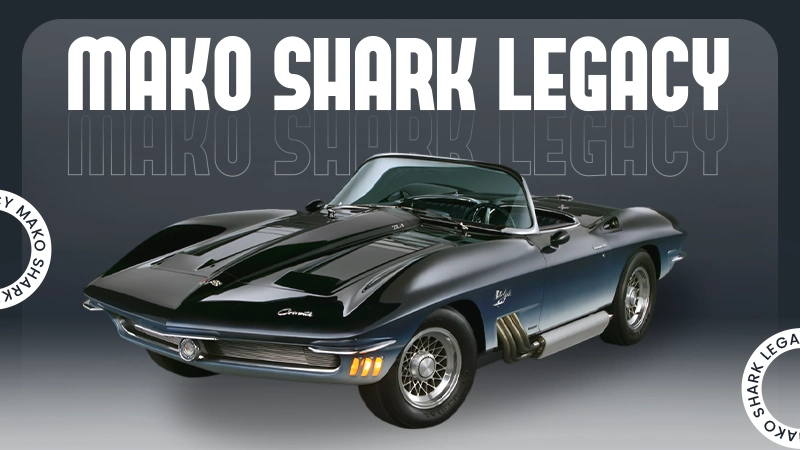
With its new exhibition, Speed-Style-Legacy: The Corvette Story, the Saratoga Automobile Museum in New York turns into a draw for car aficionados this summer. Running from May 5 to October 26, 2025, the event features six historically important Corvettes from the GM Heritage Collection, each a performance or design turning point, including 1961 Mako Shark I Corvette Concept.
The exhibit goes beyond appreciating bright surfaces. It’s a thorough examination of how the Corvette developed from a courageous American fiberglass building experiment to a global performance powerhouse. Visitors will see from the 1954 Corvette, among the first instances of fiberglass-bodied sports cars, to the 1957 ‘Fuelie,’ noted for bringing fuel injection technology to bear. encounter models that transformed automobile standards.
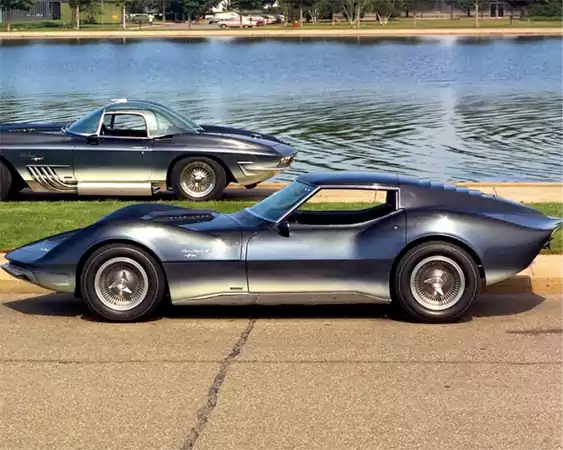
But maybe the highlight is the 1961 Corvette Mako Shark I, a dramatic design vehicle that contributed to the visual profile of the iconic 1963 Sting Ray. Inspired by a real mako shark and created under GM’s design director, Bill Mitchell, the car boasts a distinctive two-tone paint job and a powerful silhouette. Far from being all show, it was also equipped with a robust 427 cubic inch ZL-1 V8, an engineering masterpiece of its day.
For Car Enthusiasts: Savoy Automobile Museum Named USA Today’s Best Attraction
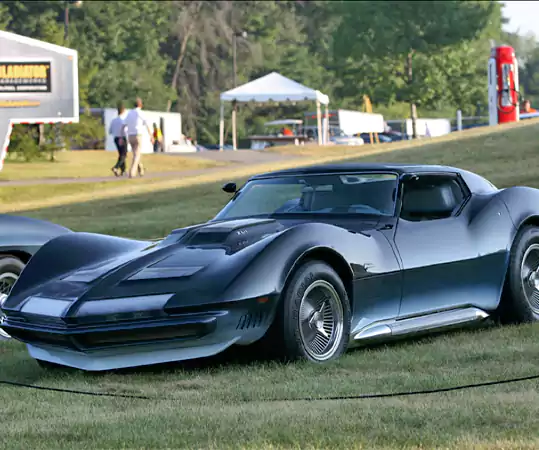
Also highlighted is the 1969 Manta Ray, yet another concept car that stretched the design envelope and tried out novel innovations. Rare aluminium-bodied experimental models and race-tuned versions complement a display honoring the creativity and technical brilliance of the Corvette line next to it.
Megan Hennessey, Director of the Museum, stressed the exhibit’s goal to bridge generations of fans, welcoming both long-time fans and newcomers to enjoy what makes the museum unique. A Corvette is more than just a vehicle. “It’s about design, engineering, and the distinctively American quest for speed and fashion,” she said. The museum hopes to achieve more by portraying these machines not just as objects but also as chapters in a bigger narrative of aspiration and innovation. Rather than exhibiting automobiles, it entices viewers to witness a legacy in action.